
| Cookie | Duration | Description |
|---|---|---|
| _ga | 2 years | The _ga cookie, installed by Google Analytics, calculates visitor, session and campaign data and also keeps track of site usage for the site's analytics report. The cookie stores information anonymously and assigns a randomly generated number to recognize unique visitors. |
| _gat_gtag_UA_60175542_1 | 1 minute | Set by Google to distinguish users. |
| _gid | 1 day | Installed by Google Analytics, _gid cookie stores information on how visitors use a website, while also creating an analytics report of the website's performance. Some of the data that are collected include the number of visitors, their source, and the pages they visit anonymously. |
| Cookie | Duration | Description |
|---|---|---|
| _fbp | 3 months | This cookie is set by Facebook to display advertisements when either on Facebook or on a digital platform powered by Facebook advertising, after visiting the website. |
| fr | 3 months | Facebook sets this cookie to show relevant advertisements to users by tracking user behaviour across the web, on sites that have Facebook pixel or Facebook social plugin. |

Download my free guide to help you navigate those tricky design decisions!
Step By Step Guide To Transforming Unused Spaces In Your Home
A step by step guide to transforming unused spaces in your home.
Are there corners of your home that seem to serve no purpose other than collecting dust?
It’s time to unleash their potential and turn them into valuable and functional spaces.
With a bit of vision and some strategic planning, you can transform those neglected areas into valuable assets that enhance both the beauty and functionality of your home.
Follow this step-by-step guide to unlock the hidden potential of unused spaces in your home:
Step 1: Assess and Visualise your Unused Spaces
Begin by assessing the unused spaces in your home. Take note of their size, shape, and proximity to existing rooms. Visualise the possibilities for each space and consider how they could be better utilised to meet your needs and enhance your lifestyle.
Step 2: Define Your Goals
Determine what you hope to achieve with the transformation of these spaces. Are you looking to add functionality, create storage solutions, or simply enhance the aesthetic appeal of your home? Clearly define your goals to guide the design and planning process.
Step 3: Plan and Prioritise before transforming unused spaces in your home
Create a plan of action for each unused space, prioritising based on your goals and the potential impact of each transformation. Consider factors such as budget, timeline, and feasibility as you develop your plan.
Step 4: Get Inspired
Gather inspiration from design magazines, websites, and social media platforms like Pinterest and Instagram. Explore different styles, colour schemes, and layout ideas to help inform your design decisions and spark creativity.
Step 5: Choose Functional Solutions
Select functional solutions that make the most of the available space while meeting your specific needs. Whether you’re creating a home office, a cosy reading nook, or a storage area, choose furniture, fixtures, and accessories that maximise both style and utility.
Step 6: Optimise Storage
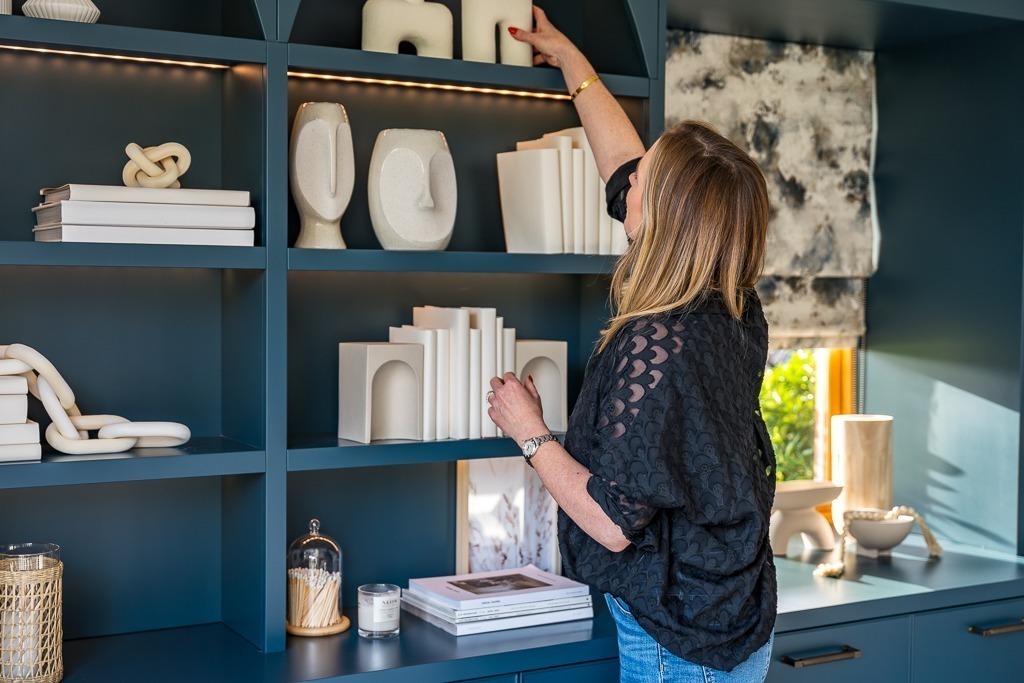
Maximize storage potential in unused spaces by incorporating clever storage solutions such as built-in shelving, cabinets, or multifunctional furniture. Utilise vertical space and hidden storage options to minimise clutter and keep your home organised.
Step 7: Focus on Lighting
Pay attention to lighting when transforming unused spaces, as proper lighting can significantly impact the look and feel of a room. Incorporate a mix of natural light, overhead lighting, and task lighting to create a bright, inviting atmosphere.
Step 8: Add Personal Touches
Infuse each transformed space with your personal style and personality by incorporating meaningful decor, artwork, and accessories. Use colours, textures, and patterns that resonate with you to create a space that feels uniquely yours.
Step 9: DIY and Upcycle
Get creative and consider DIY projects or upcycling existing materials to add character and charm to your transformed spaces. Whether it’s repurposing old furniture, creating custom artwork, or building your own shelving, DIY projects can add a personal touch while saving money.
Step 10: Evaluate and Adjust
Once your transformations are complete, take the time to evaluate the results and make any necessary adjustments. Consider how well each space meets your original goals and make tweaks as needed to ensure optimal functionality and satisfaction.
Summary:
By following this step-by-step guide, you can unlock the hidden potential of unused spaces in your home and transform them into valuable assets that enhance both the beauty and functionality of your living environment. With a bit of creativity, planning, and elbow grease, you can turn neglected corners into cherished spaces that enrich your daily life. So roll up your sleeves and get ready to unleash the full potential of your home!
For more great ideas check out another of our blogs on transforming unused spaces here